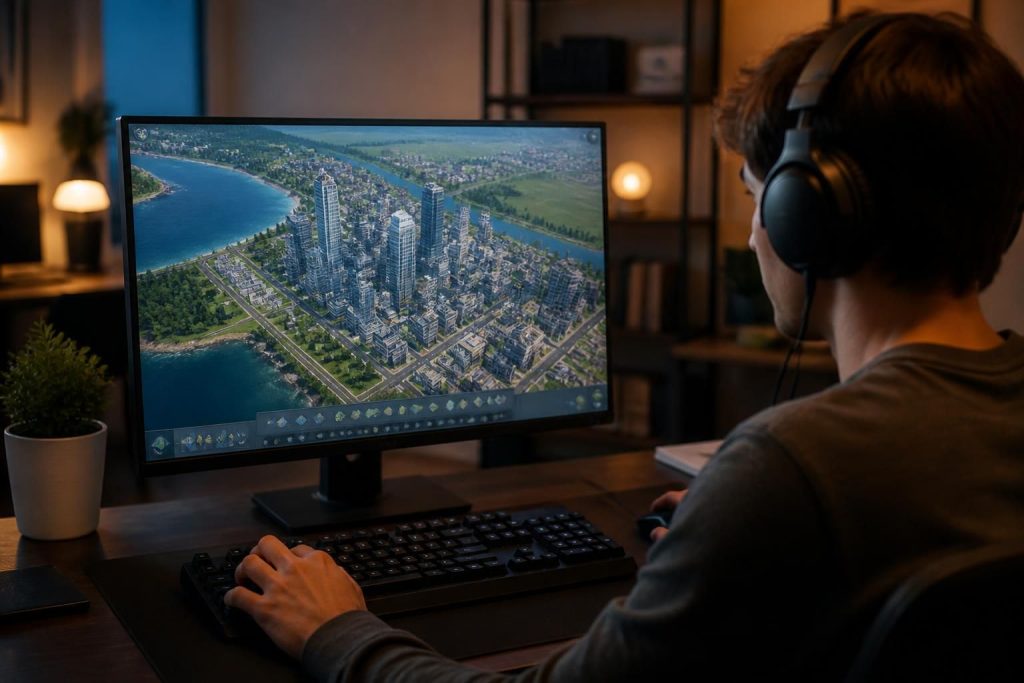
Simulation and city-building games have carved out a significant niche in the gaming world, offering players the unique opportunity to create, manage, and evolve virtual cities and environments. These genres emphasize strategy, resource management, and creativity, allowing aspiring designers to explore their skills while delivering engaging gameplay. As more gamers flock to these titles, understanding the intricacies of designing such games can provide invaluable insights for those looking to make their mark in the industry.
Understanding Game Mechanics in Simulation and City-Building Games
At the core of successful simulation and city-building games lies a solid understanding of game mechanics. Developers must create systems that allow players to interact with their environments in meaningful ways. This includes resource allocation, population management, and construction systems. Each of these mechanics should work seamlessly together to create a coherent and immersive experience.
For example, in titles like SimCity and Cities: Skylines, the balance between zoning areas, managing infrastructure, and responding to citizens’ needs is crucial. Players must be able to expand their cities logically while dealing with challenges such as traffic congestion or environmental concerns. Game designers should continually test these mechanics to ensure they’re engaging and rewarding, motivating players to keep returning to their creations.
Creating Engaging Environments and Visual Design
The visual aspect of simulation and city-building games plays a critical role in attracting and maintaining a player’s interest. Designers should focus on creating rich, detailed environments that evoke a sense of realism and charm. The art style can vary widely, from realistic graphics seen in Anno to more stylized approaches found in games like Banished.
Moreover, environmental storytelling can enhance player engagement. Adding unique landmarks, diverse neighborhoods, and vibrant community events can create a lively atmosphere. A well-crafted setting not only enriches the gameplay experience but also encourages players to invest time in developing their virtual worlds. Players often appreciate visuals that reflect their strategies, leading to a more satisfying experience.
The Importance of Balancing Challenge and Accessibility
A key aspect of designing simulation and city-building games is striking a balance between challenge and accessibility. While experienced players may seek complex systems and intricate strategies, newcomers can feel overwhelmed by steep learning curves. Developers should consider implementing tutorials and guided challenges that introduce players to game mechanics gradually.
By using a tiered system of challenges, designers can slowly increase difficulty while allowing players to feel a sense of accomplishment. This balance not only retains existing players but also attracts new ones who may otherwise be deterred by the perceived complexity. For instance, in games like Planet Coaster, users can start with simpler tasks before moving on to more complicated projects, fostering a sense of progression.
Incorporating Community Feedback and User-Generated Content
Engaging with the community is another crucial element for designers of simulation and city-building games. Players often have valuable insights and suggestions based on their experiences. Forums, social media platforms, and feedback tools provide avenues for designers to gather this information and enhance their games accordingly.
Furthermore, supporting user-generated content allows players to contribute to the game’s longevity. Mods and expansions can breathe new life into the gaming experience and keep the community active and invested. A notable example of this is Cities: Skylines, which has a thriving modding community that continuously creates new items, challenges, and gameplay mechanics, thus enriching the base game.
Emphasizing options for customization not only keeps the game fresh but also empowers players to express their creativity in unique ways. Providing the tools to modify or expand the game can lead to a more diverse and engaged player base.
Leveraging Modern Technology for Enhanced Gameplay
As technology evolves, so too do the possibilities for simulation and city-building games. Incorporating advanced features such as artificial intelligence, procedural generation, and cloud gaming can significantly enhance the gameplay experience. For instance, AI can create more realistic traffic patterns or simulate citizen behavior, making cities feel more alive and responsive to player actions.
Cloud gaming technologies allow for seamless updates and enhancements, enabling developers to push the boundaries of what is possible in terms of graphics and gameplay. This means less downtime for players and a more robust gaming experience overall. As the industry continues to evolve, designers who stay ahead of technological trends will be better positioned to create compelling and innovative simulation and city-building games.
In conclusion, simulation and city-building games present rich opportunities for aspiring designers to showcase their creativity and technical skills. By focusing on game mechanics, engaging visual designs, balancing challenge with accessibility, incorporating community feedback, and leveraging modern technology, game developers can craft experiences that captivate players. As these genres continue to evolve, those willing to innovate and adapt will find themselves at the forefront of this exciting field.
In the gaming landscape, success often hinges on the ability to understand player needs and harness the latest technologies, a lesson that resonates deeply in the realm of simulation and city-building games. For more insights on related topics, check out resources like crypto betting.
Designers should embrace this dynamic environment and remain open to experimenting with new ideas, fostering an ecosystem that allows players not only to interact with their environments but to feel a deep sense of ownership over the cities they build and manage. Additionally, for an exploration of how technology enhances gameplay, visit https://stakeobet.com/crypto-betting.