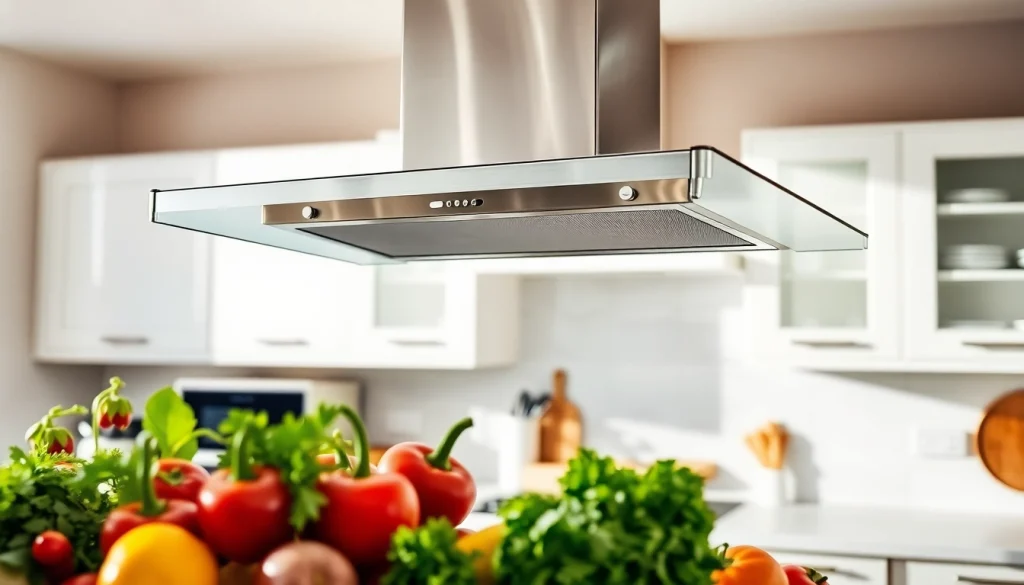
Understanding the Purpose of a Cooker Hood
What Is a Cooker Hood?
A cooker hood, also known as a range hood or exhaust hood, is a vital kitchen appliance designed to remove airborne grease, smoke, odors, and moisture caused by cooking. Positioned above the cooking area, it draws air in, filtering out unwanted particles and vapors, thus enhancing the kitchen’s air quality and maintaining a healthier environment. Cooker hoods can be ducted (venting air outside) or ductless (recirculating filtered air within the kitchen), providing flexibility depending on your kitchen setup. For a wide variety of options, you can explore cooker hood collections available online.
How Cooker Hoods Improve Kitchen Air Quality
Kitchen air is often riddled with smoke, grease particles, and odorous vapors due to cooking. Cooker hoods play a significant role in maintaining a clean and safe cooking environment. By filtering and expelling these contaminants, they help to:
- Reduce Odors: Cooker hoods effectively eliminate lingering food smells, making for a fresher kitchen.
- Minimize Grease Buildup: Over time, grease can accumulate on kitchen surfaces, becoming a fire hazard. A cooker hood helps reduce this risk by capturing grease particles.
- Control Moisture: Steam and moisture from cooking can lead to mold and mildew growth. Efficient ventilation keeps humidity levels in check.
- Enhance Comfort: Proper ventilation helps regulate the temperature in the kitchen, making cooking more comfortable.
Types of Cooker Hoods Available
Cooker hoods come in various styles and functionalities to suit different kitchen designs and needs. Here are the primary types:
- Wall-Mounted Hoods: Installed on a wall above the cooking surface, these hoods are popular for their efficiency and aesthetic appeal.
- Island Hoods: Designed for open kitchens with cooking islands, they hang from the ceiling to provide adequate ventilation.
- Under-Cabinet Hoods: These compact hoods fit beneath kitchen cabinets, saving space while offering effective ventilation.
- Built-In Hoods: Integrated into cabinetry for a seamless look, these hoods are a stylish choice for modern kitchens.
- Ductless Hoods: Ideal for apartments or homes lacking ductwork, these hoods filter air and recirculate it back into the kitchen.
Choosing the Right Cooker Hood for Your Kitchen
Factors to Consider When Selecting a Cooker Hood
When selecting a cooker hood, various factors come into play that can affect its performance and fit within your kitchen. Consider the following:
- Size: The hood should be at least as wide as your cooktop to ensure proper coverage.
- CFM Rating: This measures the hood’s airflow, typically ranging from 300 to 1,200 CFM. Higher CFM is essential for heavy cooking.
- Noise Level: Noise levels are measured in sones. Quieter hoods (below 3 sones) are preferable for a more peaceful kitchen environment.
- Style: Choose a style that complements your kitchen design, whether modern or traditional.
- Filters: Consider the type of filters used—metal filters can be washed and reused, while charcoal filters need to be replaced.
Comparing Ducted vs. Ductless Cooker Hoods
Choosing between ducted and ductless cooker hoods is crucial based on kitchen design and ventilation requirements:
- Ducted Hoods: These require ventilation ducts to expel air outside, providing superior air quality and efficiency. However, installation can be more complicated and expensive.
- Ductless Hoods: Easier to install, these hoods filter air using charcoal filters and recirculate it into the kitchen. While they may be less effective at odor removal, they’re ideal for spaces without ductwork.
Popular Brands of Cooker Hoods
Numerous brands capitalize on the importance of kitchen ventilation, and each has its unique offerings. Some of the most recognized brands include:
- Elica: Known for innovative designs and powerful performance.
- Faber: Offers a range of stylish hoods with advanced technology.
- Bosch: Renowned for high-quality and durable solutions.
- Kitchenaid: Balances functionality and aesthetics effectively.
- Zephyr: Focuses on modern design with energy-efficient options.
Installation and Maintenance of Cooker Hoods
Step-by-Step Installation Guide
Installing a cooker hood might seem daunting, but with the right tools and instructions, it can be completed as a DIY project. Here’s a simplified guide:
- Gather Tools and Materials: You’ll need a drill, screws, wire connectors, and a level.
- Positioning: Determine the correct height above your cooktop. Most regulations specify 24-30 inches.
- Mounting Bracket: Secure the mounting bracket to the wall, ensuring it’s level and flush.
- Ducting (if ducted): Install ductwork to direct air outside according to local codes.
- Wiring: Connect the electrical wiring, ensuring compliance with safety codes.
- Attach the Hood: Follow the manufacturer’s instructions to secure the hood to the mounting bracket.
- Test Functionality: Turn on the hood to ensure it operates correctly.
Common Maintenance Tips for Longevity
Maintaining your cooker hood is essential for optimal performance and longevity. Here are some maintenance tips:
- Regular Cleaning: Clean metal filters every month with warm soapy water. Replace charcoal filters according to the manufacturer’s guidelines.
- Check Vents: Ensure that ducts are free from obstructions and clean them periodically to maintain airflow.
- Inspect for Wear and Tear: Look for any signs of damage or wear on the hood and replace parts as needed.
- Professional Maintenance: Consider hiring a professional for a thorough inspection and cleaning every few years.
When to Call a Professional for Installation
While many homeowners opt for DIY installation, there are instances where calling a professional is advisable:
- Complex Ducting: If extensive ductwork is required, hiring a specialist can ensure proper installation.
- Electrical Work: In instances where wiring adjustments are necessary, consider a qualified electrician.
- High-Performance Models: For top-tier models requiring expert setup and calibration.
Maximizing the Efficiency of Your Cooker Hood
Proper Usage Tips for Optimal Performance
To ensure your cooker hood operates at peak efficiency, follow these usage tips:
- Turn It On Early: Activate the hood before you start cooking to draw out any pre-existing odors.
- Adjust Speed Settings: Higher speeds are needed for heavy cooking, while lower speeds suffice for simmering.
- Keep the Filters Clean: Dirty filters hinder airflow, so maintain them regularly.
Common Issues and Troubleshooting
As with any appliance, cooker hoods can experience issues. Here are some common problems and solutions:
- Noisy Operation: Check for loose parts or obstructions in the ducting system.
- Poor Airflow: Ensure the filters are clean and that the ducts are not blocked.
- Lights Not Working: Inspect the bulb or electrical connections. Replace bulbs as necessary.
Performance Metrics to Monitor
To ensure your cooker hood is performing well, consider monitoring these metrics:
- CFM Performance: Regularly assess airflow and adjust if it seems reduced.
- Noise Level: Maintain desirable sound levels by adjusting the speed settings based on your cooking needs.
- Filter Condition: Regularly check the performance of filters and replace them when necessary.
Trends in Cooker Hood Design and Technology
Latest Innovations in Cooker Hood Features
Cooker hood technology continues to evolve with innovations that enhance functionality and user experience, including:
- Smart Technology: Models now feature Wi-Fi connectivity for remote operation and monitoring through smartphone apps.
- Enhanced Filtration: New filter technologies trap more particles and odors while lasting longer.
- Integrated Lighting: LED lights enhance visibility and kitchen ambiance.
Aesthetic Trends in Cooker Hood Design
Alongside advancements in functionality, aesthetic designs have also evolved:
- Minimalist Designs: Sleek, low-profile hoods that blend seamlessly with cabinetry.
- Statement Pieces: Bold and creative designs that act as focal points in kitchen aesthetics.
- Choose Your Finish: Options now include stainless steel, matte black, and custom finishes for a tailored appearance.
Future of Cooker Hood Technology in Smart Homes
As homes become smarter, cooker hoods will evolve to integrate further with home automation systems. Features might include:
- Voice Activation: Appliances that can be controlled through voice commands with virtual assistants like Alexa or Google Home.
- Air Quality Sensors: Intelligent systems that automatically adjust the ventilation based on cooking activity detected.
- Energy Efficiency Monitoring: Real-time tracking of energy consumption to promote eco-friendly usage.